Why Protein is the Powerhouse Nutrient for Longevity (Especially for Women in Midlife)
If there’s one nutrient I always talk about, it’s protein. Protein is more than just a fitness buzzword—it’s a foundational nutrient that plays a major role in building and preserving muscle, fueling energy, balancing hormones, supporting healthy aging, and keeping you satisfied after meals.
I often say: muscle is the key to longevity. And you can’t build or maintain muscle without adequate protein. If you’re a woman in perimenopause or menopause, this becomes even more important. Hormonal shifts during this time naturally lead to muscle loss, increased fat storage, and slower metabolism. One of the most powerful things you can do is increase your protein intake. I recommend aiming for about 1 gram of protein per pound of ideal body weight each day.
Here’s why protein deserves a front-and-center role in your wellness routine:
1. Protein Builds and Preserves Muscle
Lean muscle is metabolically active tissue—it burns more calories at rest, supports joint stability, improves mobility, and helps prevent falls as we age. Muscle isn’t just about appearance; it’s your longevity armor.
2. Protein Keeps You Full and Balanced
Protein also has the highest thermic effect of food (TEF), meaning your body burns more calories digesting and metabolizing it compared to fats and carbs. This added metabolic boost makes protein a powerful ally for weight management and body composition.
Out of all three macronutrients, protein is the most satiating. Starting your meals with protein helps reduce blood sugar spikes, regulate cravings, and keep your energy stable throughout the day.
3. Not All Protein Is Created Equal: Let’s Talk Quality
The quality of your protein matters just as much as the quantity. If you’re investing in your health and aiming for longevity, you want to choose proteins that nourish your body—not inflame it. Let’s break it down:
• Grass-Fed, Grass-Finished Beef
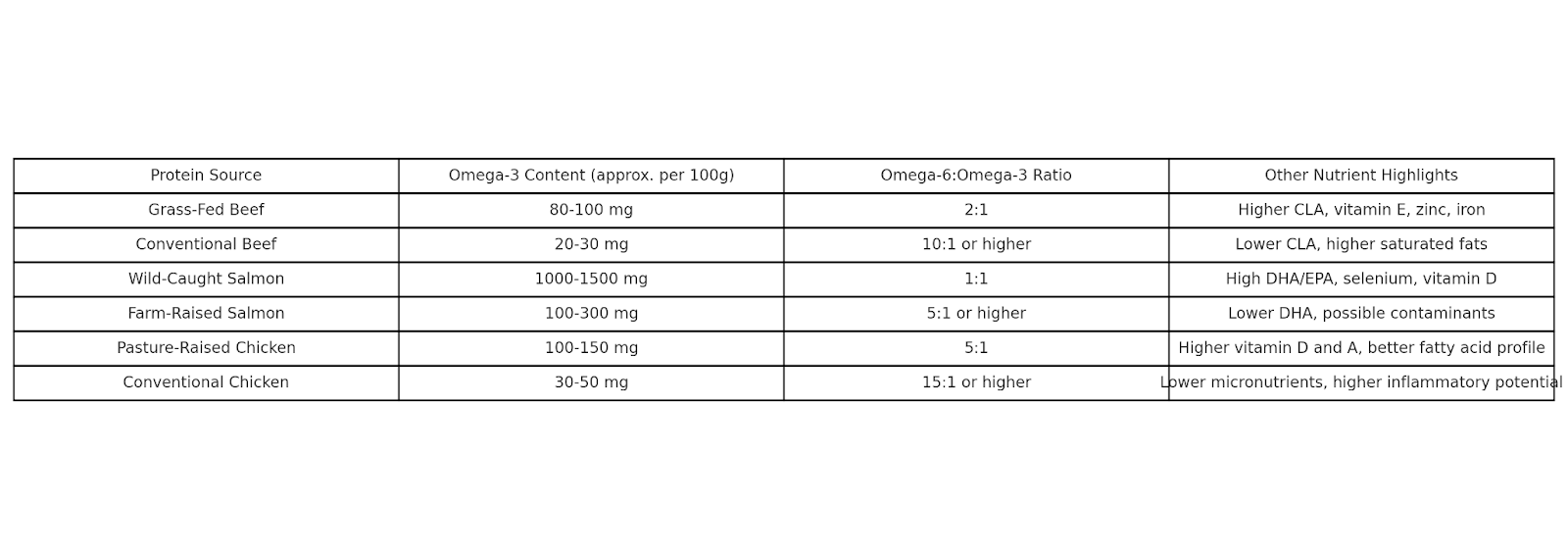
Cattle raised on grass—not grains—have a completely different nutritional profile. Grass-fed, grass-finished beef is richer in omega-3 fatty acids, conjugated linoleic acid (CLA), antioxidants like vitamin E, and micronutrients like zinc and iron. These cattle live more natural lives—grazing in open pastures without being confined or pumped with growth hormones or antibiotics.
In contrast, conventionally raised cattle are often fed GMO corn or soy, live in stressful, overcrowded environments, and are frequently administered antibiotics and hormones. This type of beef has a skewed omega-6 to omega-3 ratio, which promotes inflammation and can contribute to chronic disease.
• Wild-Caught Fish
Fish is one of the best sources of clean, anti-inflammatory protein—if you choose wild-caught. Wild fish live in their natural habitats, consume a natural diet, and have a superior omega-3 fatty acid content that supports brain, heart, and skin health. Omega-3s also have powerful anti-aging benefits by reducing chronic inflammation. I love having sardines as a snack throughout the day. My favorite brand is “Season”(1700mg Omega 3) because it doesn’t have a super fishy taste even though it is wild caught but maybe because it is skinless & boneless. I do know that “Wild Planet”(1800mg Omega 3) is also wild caught and has higher calcium and iron, but I’m not great with the taste so I sacrifice the higher nutritional content to enjoy the flavor! lol
Farm-raised fish, however, are often crowded in pens, fed unnatural diets, and exposed to antibiotics and parasites. This not only affects their health—but yours. Farmed fish can contain higher levels of toxins like PCBs and have a less favorable fat composition, often with significantly lower omega-3s and higher omega-6s.
• Pasture-Raised Chicken
The difference between pasture-raised and conventionally raised chicken is night and day. Pasture-raised chickens roam freely outdoors, pecking on bugs and grass, which increases the nutritional content of their meat and eggs. They have higher levels of vitamin D, omega-3s, and lower levels of inflammatory compounds.
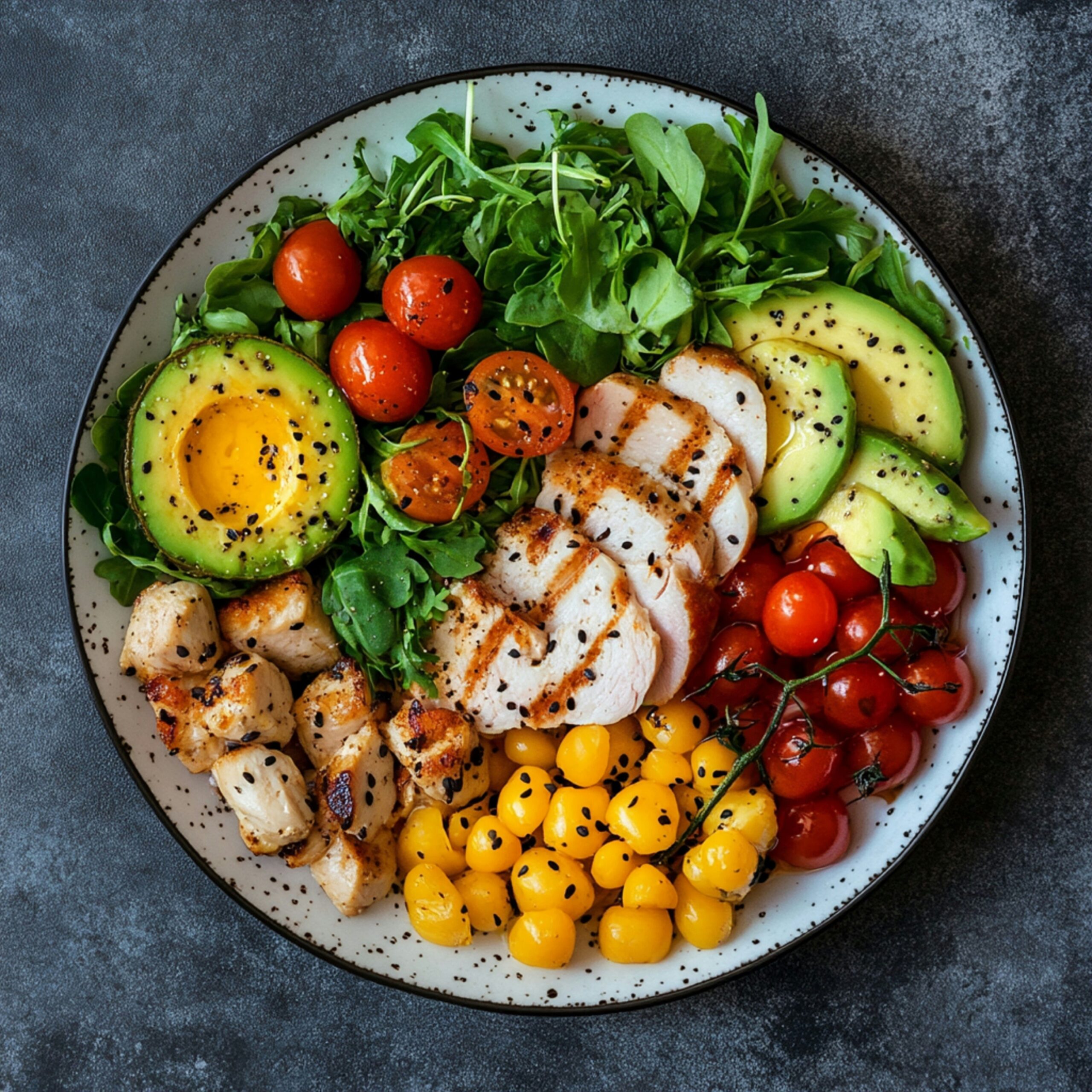
Factory-farmed chickens, on the other hand, are often confined indoors with limited movement, fed cheap grain-based feed, and may be exposed to antibiotics to prevent disease in overcrowded conditions. This impacts not just the ethical considerations, but the nutrient density and inflammatory potential of the food you’re consuming.
When you’re fueling your body with protein, you want it to build you up—not break you down. Choosing quality animal proteins makes a huge difference in your long-term health.
3.5. What About Plant-Based Protein?
While animal proteins are complete—meaning they contain all nine essential amino acids in the right ratios—most plant-based proteins are incomplete. That means you need to combine different plant sources to get a full amino acid profile. For example, pairing rice with beans or hummus with whole grain pita can help achieve this balance.
This doesn’t mean you can’t get adequate protein from a vegan or vegetarian diet, but it does require more intentional planning. Vegan sources are often lower in protein per gram, and higher in carbs, so you may need to eat a higher volume of food to reach your protein goals. If you’re plant-based, working with a coach or nutritionist can help you hit your targets without missing critical nutrients.
4. Best Sources of Protein
To hit your daily protein goal, include a variety of clean, whole-food protein sources:
- Grass-fed, grass-finished beef
- Pasture-raised chicken and turkey
- Wild-caught fish
- Pasture-raised eggs
- Organic tofu and tempeh (if tolerated-I personally don’t do any soy products)
- Lentils, beans, and quinoa (best paired with other sources)
- Greek yogurt (preferably grass-fed and organic)
- Bone broth
And yes, I’m a fan of high-quality protein powders! When I’m on-the-go or making a smoothie, I love the protein powder by Designs for Health, or the Daily Nutritional Support by EquiLife. They’re clean, effective, and help you meet your protein goals without added junk. Contact me if you would like a discount code.
5. Protein for Healthy Aging
Protein plays a major role in the aging process. It supports skin elasticity, hair strength, collagen production, and tissue repair. It also helps regulate blood sugar and insulin sensitivity, which become harder to manage with age.
Final Thoughts
If you want to age strong, stay lean, and feel vibrant—make protein your best friend. Start your day with it. Build your meals around it. Prioritize quality. Your muscles (and your future self) will thank you.
Want support dialing in your nutrition and finding the right sources of protein for your lifestyle? Let’s chat. I offer personalized wellness coaching that helps women thrive during every phase of life. Book a free Discovery Call with me!
Let’s build strength, energy, and resilience—from the inside out.